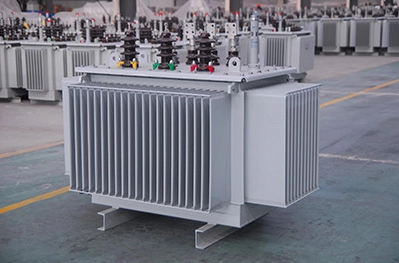
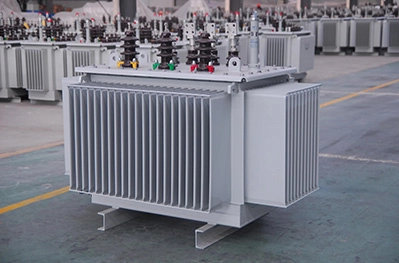
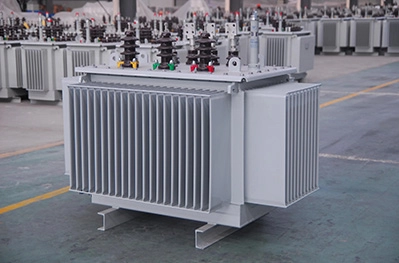
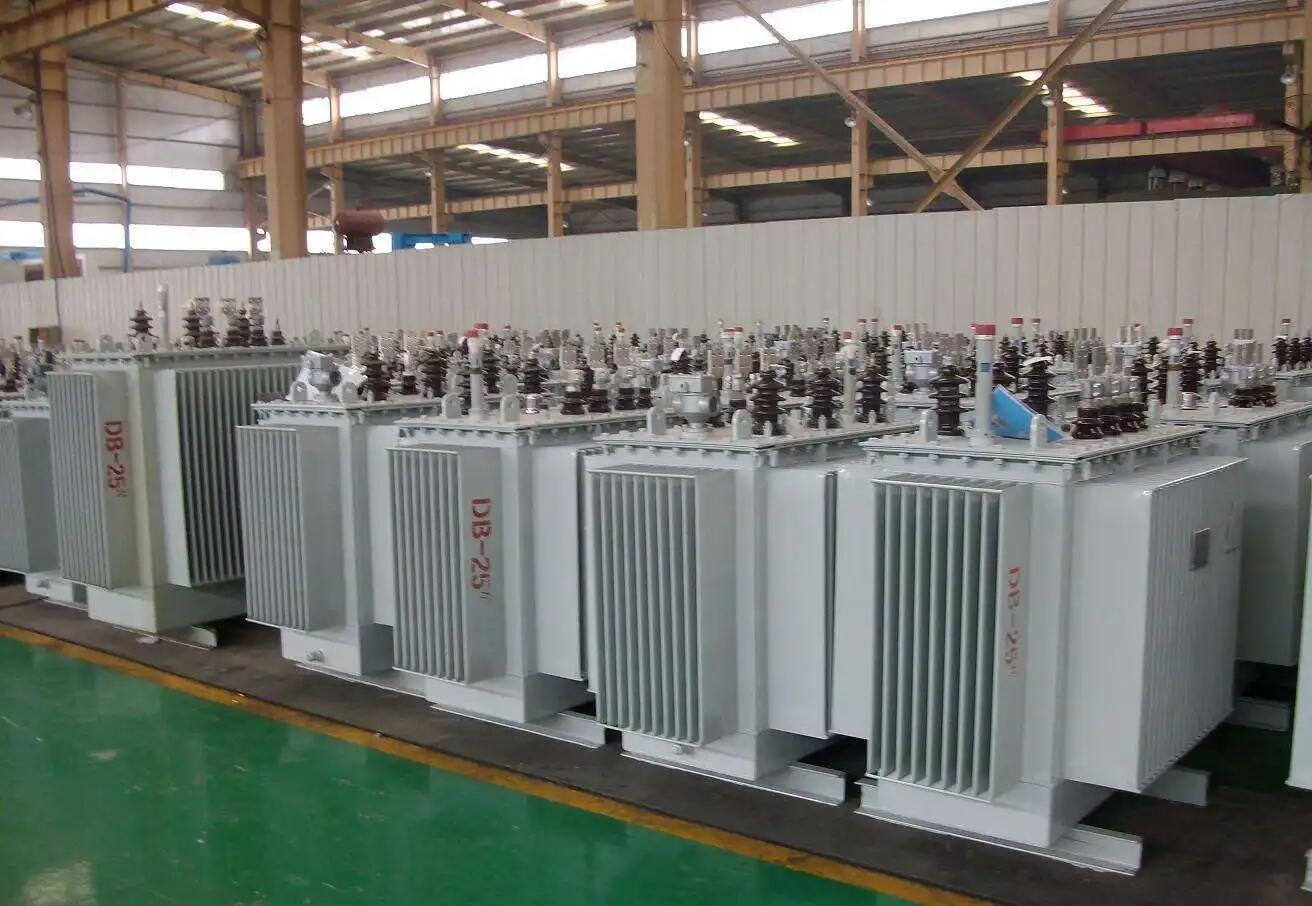
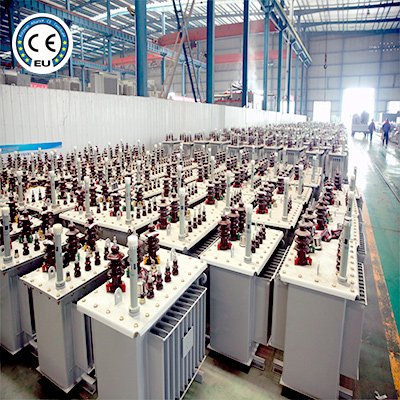
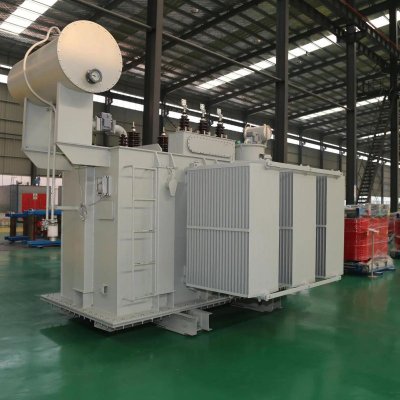
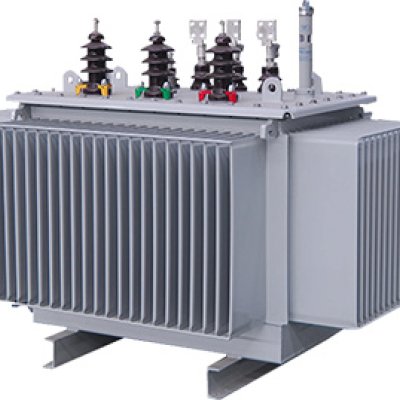
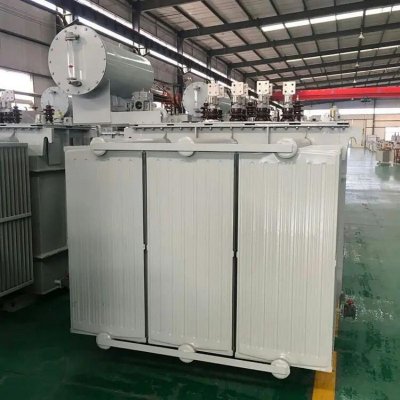
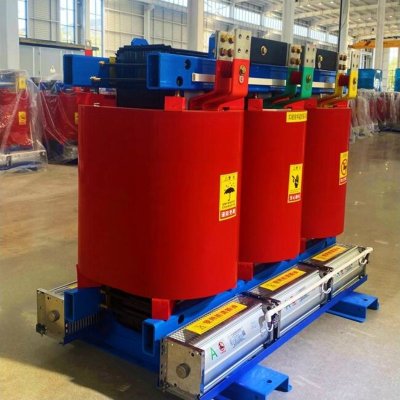
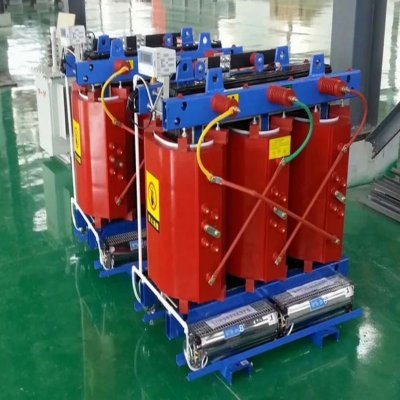
Oil-immersed transformer performance characteristics:
a. Except for small-capacity copper wires, the low-voltage windings of oil-immersed transformers generally adopt a cylindrical structure wound with copper foil; the high-voltage windings adopt a multi-layer cylindrical structure to balance the ampere-turn distribution of the windings and reduce magnetic flux leakage. Small, high mechanical strength and strong short circuit resistance.
b. The iron core and windings each adopt fastening measures. The fastening parts such as the height of the body and the low-voltage leads are equipped with self-locking lock nuts. It adopts a non-suspended structure and can withstand the vibration of transportation.
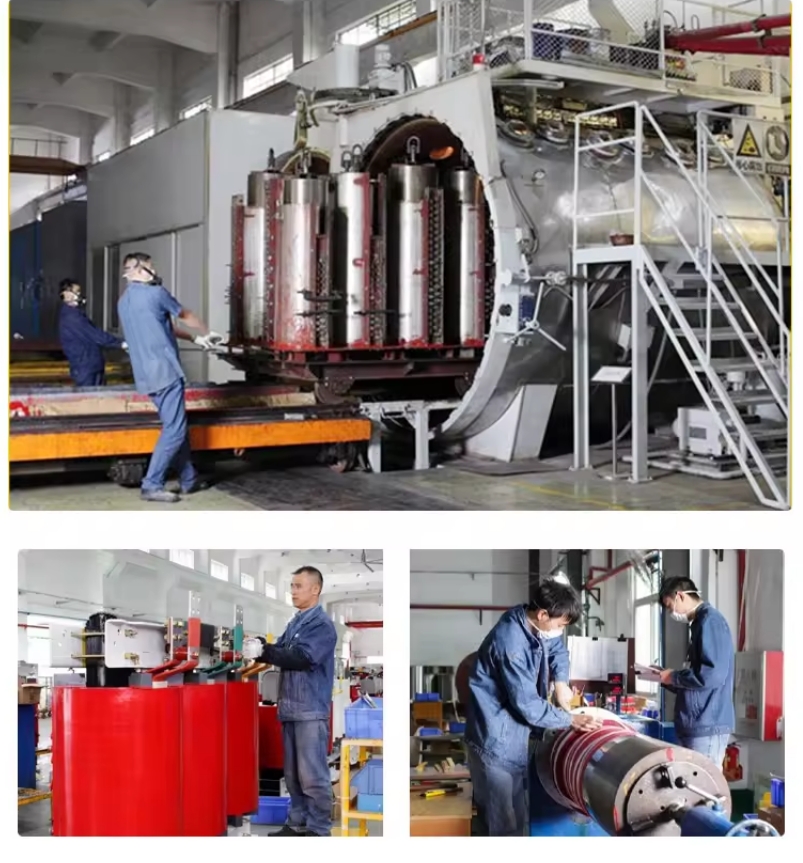
c. The coils and iron core are vacuum dried, and the transformer oil adopts vacuum oil filtration and oil filling processes to minimize the moisture inside the transformer.
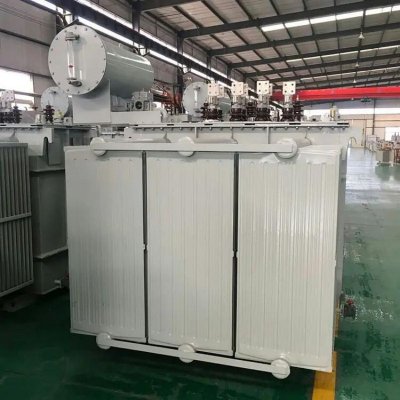
d. The oil tank uses a corrugated sheet, which has a breathing function to compensate for the volume change of the oil caused by temperature changes. Therefore, this product does not have an oil conservator, which obviously reduces the height of the transformer.
e. Since the corrugated sheet replaces the oil conservator, the transformer oil is isolated from the outside world, which effectively prevents oxygen and moisture from entering and causing a decrease in insulation performance.
f. Based on the above five points of performance, it is ensured that the oil-immersed transformer does not need to change oil during normal operation, greatly reducing the maintenance cost of the transformer and extending the service life of the transformer.

Oil-immersed transformer implementation standards
a. GB1094.1~2-1996, GB1094.3,.5-2003 power transformer;
b. GB/T6451-1999 three-phase oil-immersed power transformer technical parameters and requirements.
Failure analysis of oil-immersed transformers
Common faults in transformers during operation include faults in windings, bushings, tap changers, iron cores, fuel tanks and other accessories.
1. Winding failure
Mainly include inter-turn short circuit, winding grounding, phase-to-phase short circuit, broken wires and open welding of joints, etc.
2. Casing failure
The transformer casing accumulates dirt, causing pollution flashover during heavy fog or light rain, causing the single-phase grounding or phase-to-phase short circuit on the high-voltage side of the transformer.
3. Serious leakage
If the transformer is leaking oil seriously during operation or continuously leaking from the damaged area so that the oil level can no longer be seen on the oil level gauge, the transformer should be immediately deactivated for leak repair and refueling. The reasons for oil leakage from the transformer include cracked or sealed welds. Parts failed, and the fuel tank was severely corroded and damaged due to vibration and external impact during operation.
4. Tap changer failure
Common faults include poor contact or inaccurate position of the tap changer, melting and burns on the contact surface, and discharge of interphase contacts or discharge of each tap.

Application
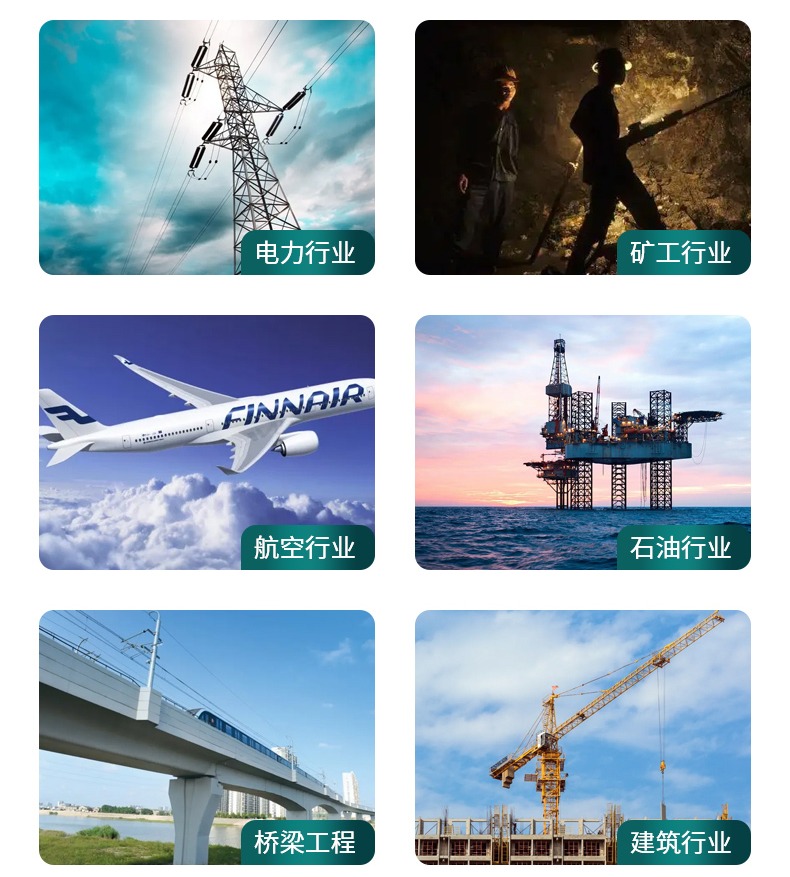
Our products can be used in the power industry, mining industry, aviation industry, petroleum industry, bridge engineering, etc.

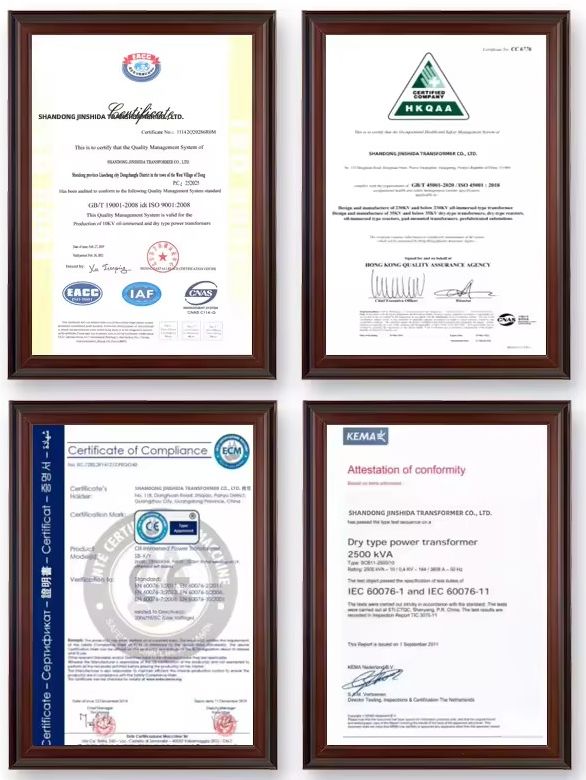
Certificate

Packing and Delivery

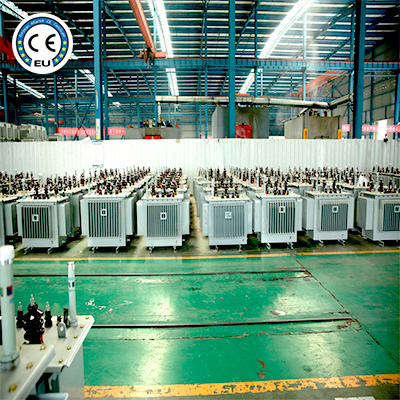
Shandong Jinshida transformer manufacturer mainly produces various models: transformer_dry-type transformer_oil-immersed transformer_amorphous alloy transformer_high overload transformer_mining transformer.